
 English
  Русский
 How to Find Reliable Suppliers Using the Canton Fair App
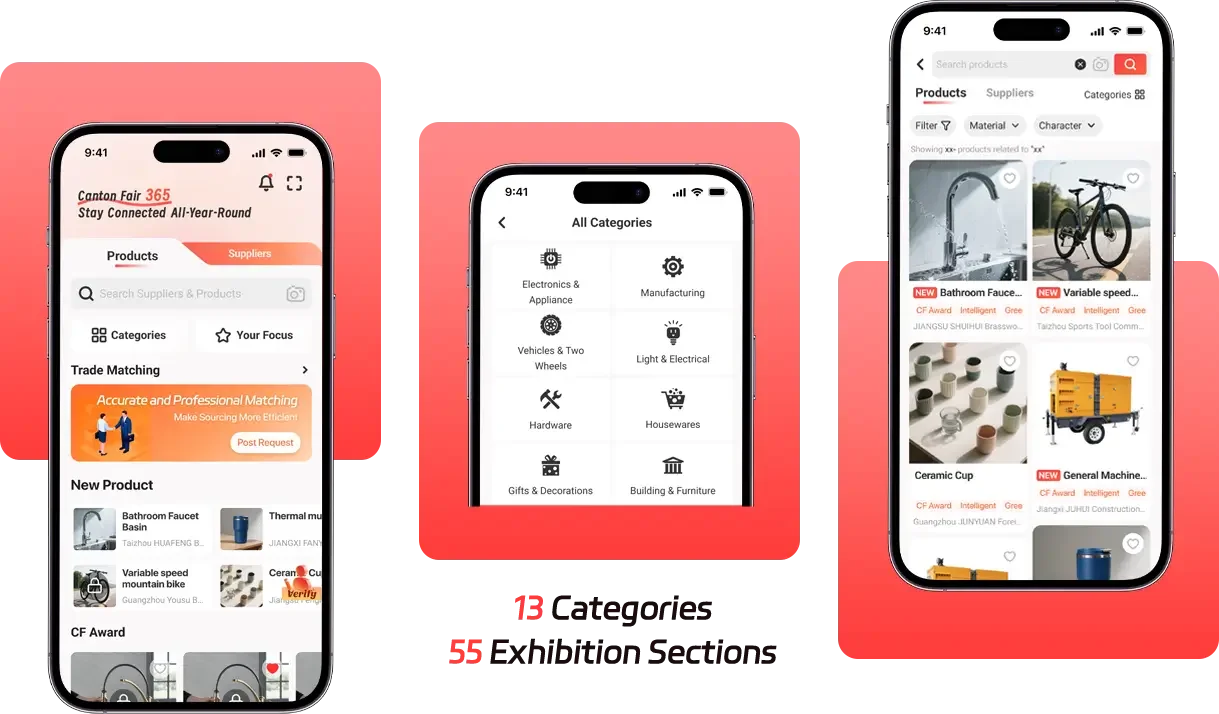
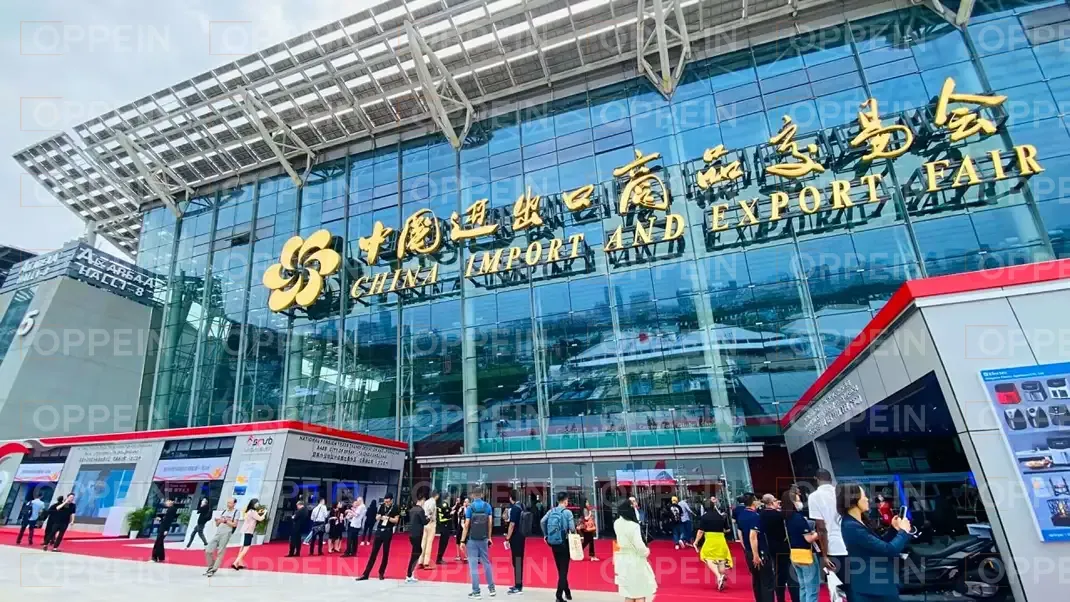
The Canton Fair, officially known as the China Import and Export Fair, stands as one of the world’s largest trade events, held biannually in Guangzhou since 1957. Spanning three phases each session, it covers everything from electronics in Phase 1 to textiles in Phase 3, attracting thousands of exhibitors and buyers globally. In today’s digital age, the official Canton Fair app revolutionizes sourcing by allowing users to connect with suppliers year-round through its “Canton Fair 365” feature. This tool enables direct searches for verified factories, product details, and even supplier histories, essential for building trustworthy partnerships. Whether you’re a seasoned importer or a newcomer, this guide will walk you through finding reliable suppliers and accessing their participation logs across phases, all within the app. Let’s dive in.
Getting Started with the Canton Fair App
First, download the app from the App Store or Google Play, search for “Canton Fair” by the China Foreign Trade Centre. It’s free and available in multiple languages. Upon opening, register with your email or link it to your Canton Fair buyer badge for enhanced access. The interface is intuitive, with tabs for “Exhibitors,” “Products,” “Events,” and “My Fair.” The “Canton Fair 365” section is your gateway to ongoing sourcing, not limited to the physical fair’s dates.
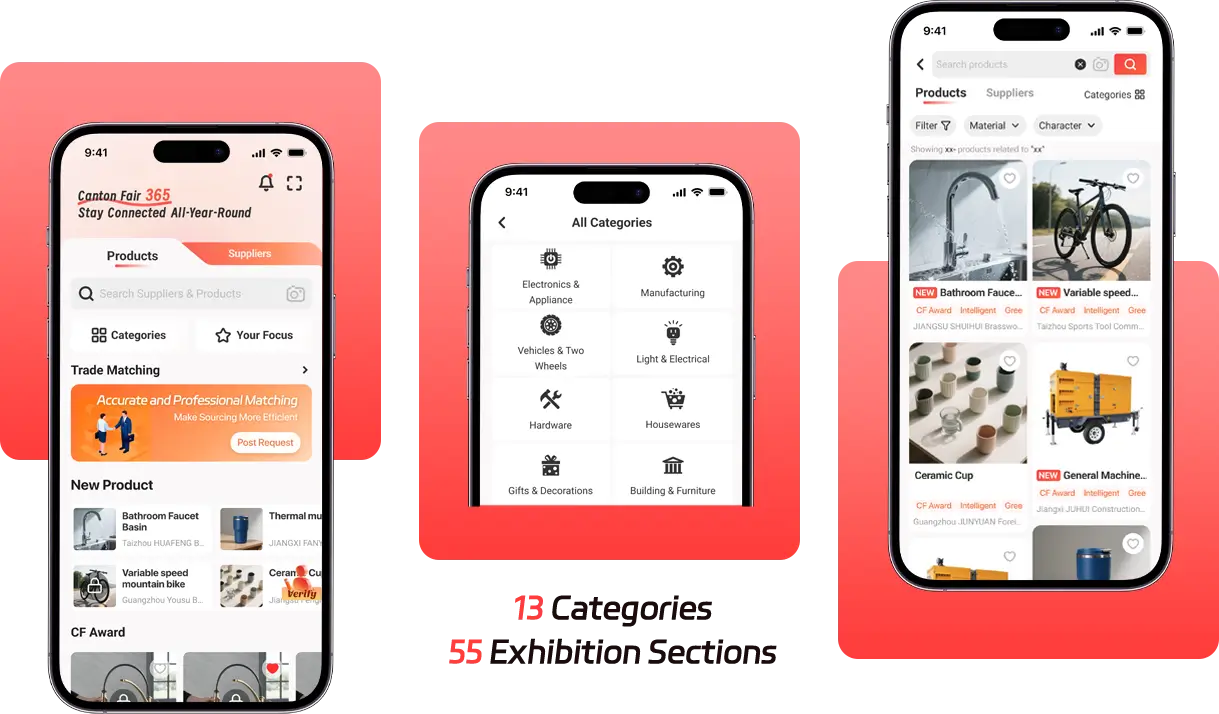
This screenshot illustrates the exhibitor and product search screen, where you can begin your hunt.
Directly Finding Suppliers in the App
To locate suppliers, head to the “Suppliers & Products” tab. Use the search bar for keywords like “kitchen appliances” or filter by industry categories, electronics, machinery, textiles, etc. The app supports advanced filters: sort by relevance, popularity, or location. For precision, incorporate phrases like “verified factory” or use the app’s built-in tools to narrow results to exhibitors with short videos and e-catalogues, providing a visual preview of their offerings.
The app pulls from a database of over 200,000 exhibitors, updated post each fair. If you’re targeting a specific phase, filter by past events; for instance, Phase 1 focuses on heavy industries, while Phase 2 emphasizes consumer goods. This direct approach bypasses middlemen, connecting you straight to manufacturers. Pro tip: Save favorites by scanning QR codes during the fair or adding them digitally for offline access.
Identifying Reliable Suppliers
Reliability is key to avoiding scams, remember, one buyer reportedly lost $50,000 to a fake supplier. In the app, look for badges indicating “Verified Exhibitor” or “Gold Supplier” status, which denote official participation and vetting by the fair organizers. Dive into profiles: check company details like registration year, export history, and certifications (ISO, CE). Cross-reference with external platforms like Alibaba, but start here for authenticity.
Engage via the app’s messaging or video call features to gauge responsiveness. Ask about minimum order quantities (MOQ), sample policies, and production capacity. Reliable ones often have detailed profiles with factory photos and client testimonials. From experience shared in sourcing communities, prioritize those with consistent fair attendance, a sign of stability.
This image shows a typical supplier profile, highlighting key verification elements.
Viewing Participation Logs Across Phases
One underrated feature is accessing a supplier’s full participation history, or “logs,” which reveal their involvement in every phase and edition. In a supplier’s profile (tap on any search result), scroll to the “Exhibition History” or “Participation Record” section. Here, you’ll see a chronological log: for example, “Phase 1, 137th Session (April 2025) – Electronics Pavilion” or “Phase 3, 138th Session (October 2025) – Textiles.”
This log helps assess longevity, suppliers active in multiple phases over years are more reliable, indicating diversified products and sustained business. Filter the log by date range or phase to track evolution, like a factory shifting from consumer goods in Phase 2 to medical equipment in Phase 3. If the app’s data seems incomplete, use the “Inquiry” button to request more details directly. This transparency, drawn from the fair’s 67-year archive, empowers informed decisions.
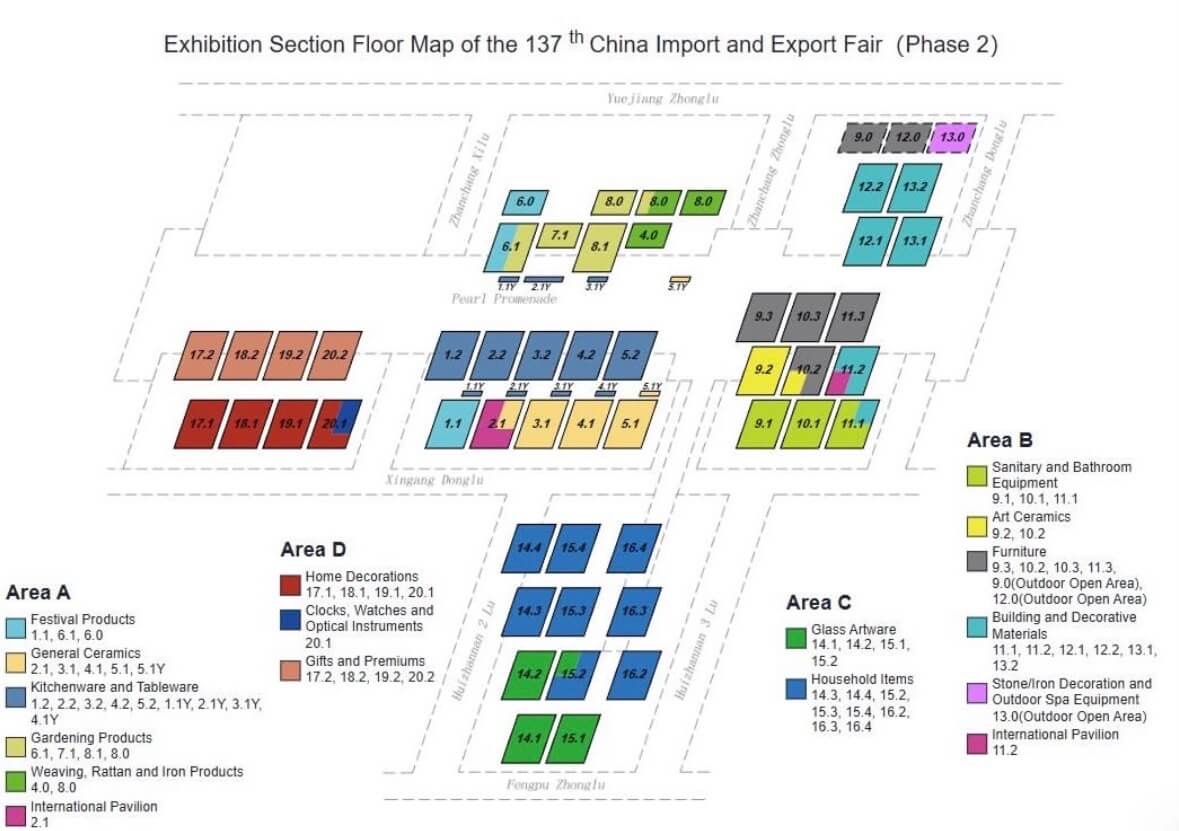
An overview of Canton Fair phases, as depicted here, aids in understanding the context of these logs.
Tips for Success and Conclusion
Maximize your app use by attending virtual sessions or syncing with the physical fair. Combine with tools like Gaode Maps for navigation or Pleco for translations during trips. Always verify offline: request samples and visit factories if possible.
In summary, the Canton Fair app streamlines sourcing by offering direct access to reliable suppliers through smart searches and detailed profiles. By viewing participation logs, you gain insights into their track record across phases, reducing risks and fostering long-term partnerships. With sessions like the 139th approaching in 2026, now’s the time to master this tool. Happy sourcing!
f you need personal sourcing, you can hire one of our professionals through our website by clicking on the link below: